
01
Select the target tissue
Cartilage, meniscus, tendon and ligament do different jobs. The pathway starts by identifying the structure that is actually driving the problem.

One regenerative architecture · four tissue pathways
Seed. Soil. Signal.
A tissue-first framework for combining patient-derived biology, a supporting scaffold and precise delivery—adapted for cartilage, meniscus, tendon or ligament damage.
The important distinction
RegenRepair is not one universal injection. The shared biological logic stays consistent; the clinical pathway changes according to the tissue, the damage pattern and the mechanical job that tissue must perform.
Verified across three networks
RegenRepair™ · Seed, Soil, Signal
Start with the structure that is damaged. Each page shows the relevant damage pattern, how the biology is assembled and how recovery is protected.
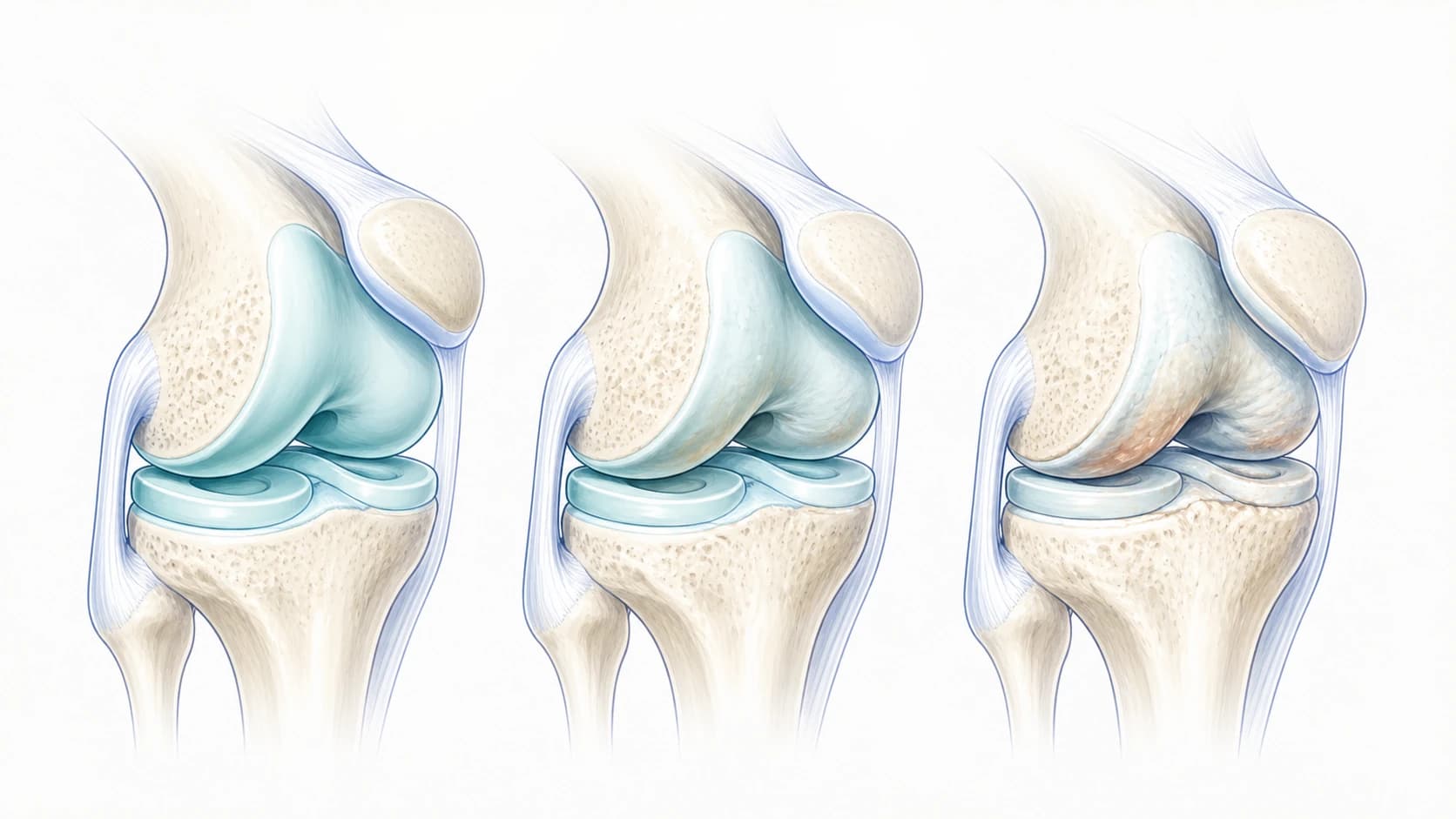
Cartilage damage
A one-stage, image-guided cartilage regeneration technique built around cartilage micrografts, collagen soil and a patient-derived signal.
Explore NanoACi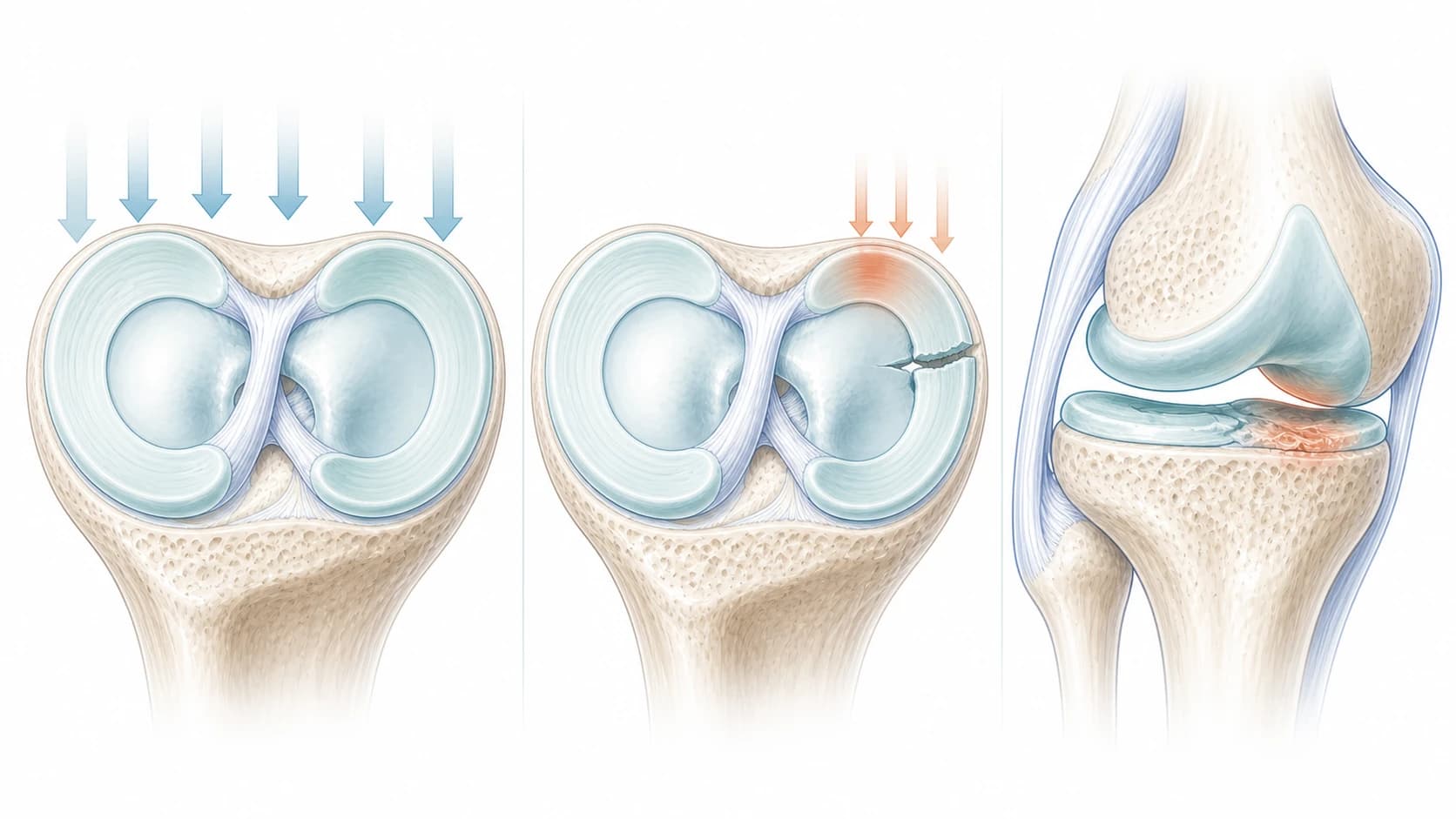
Stable meniscus damage
A non-surgical pathway using autologous fibroblast-rich micrografts for suitable stable partial-thickness tears, intrasubstance damage and wear.
Explore NanoAMi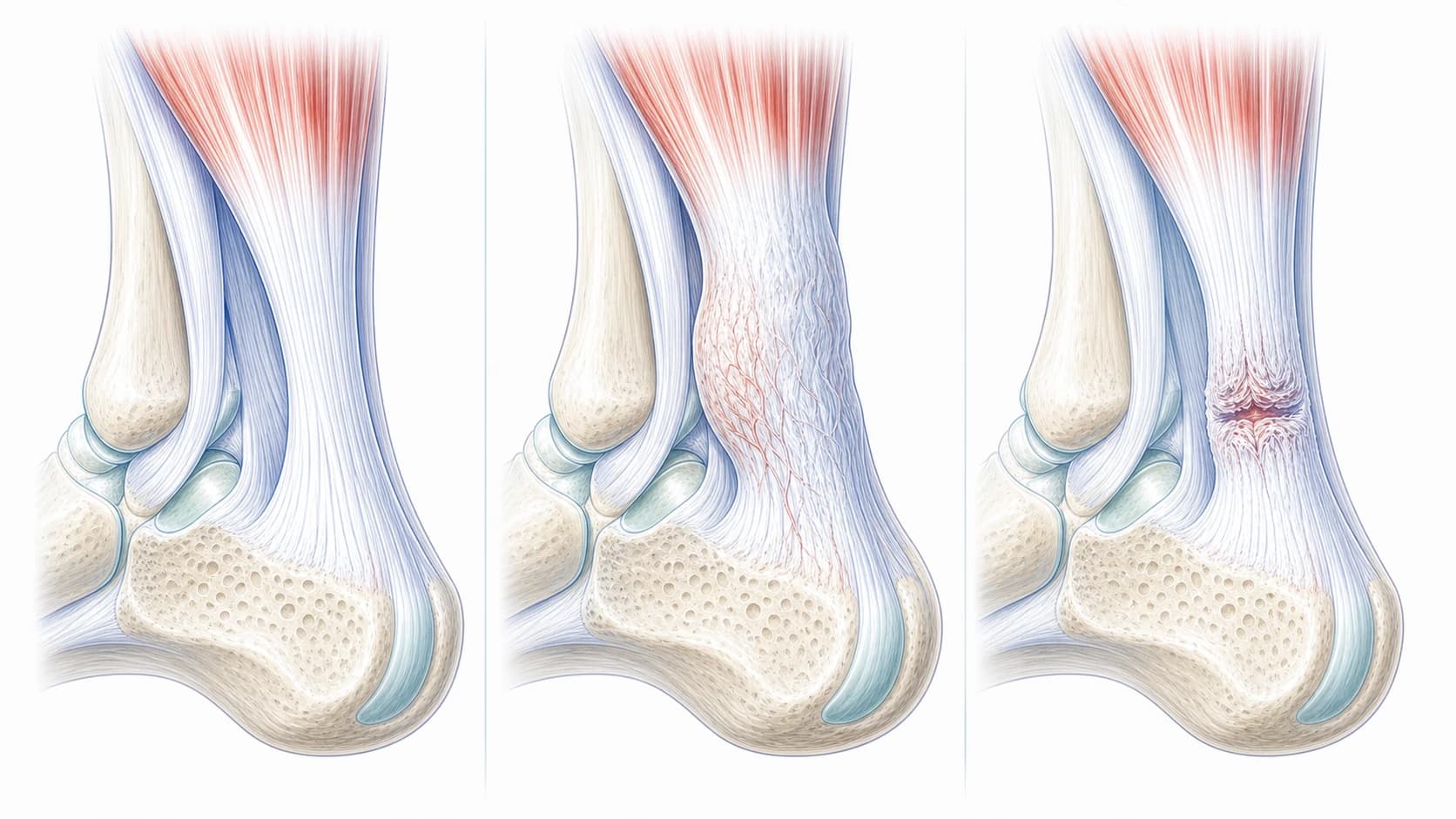
Tendon damage
A tendon-specific pathway using autologous fibroblast-rich micrografts, image-guided targeting and progressive mechanical rehabilitation.
Explore NanoATi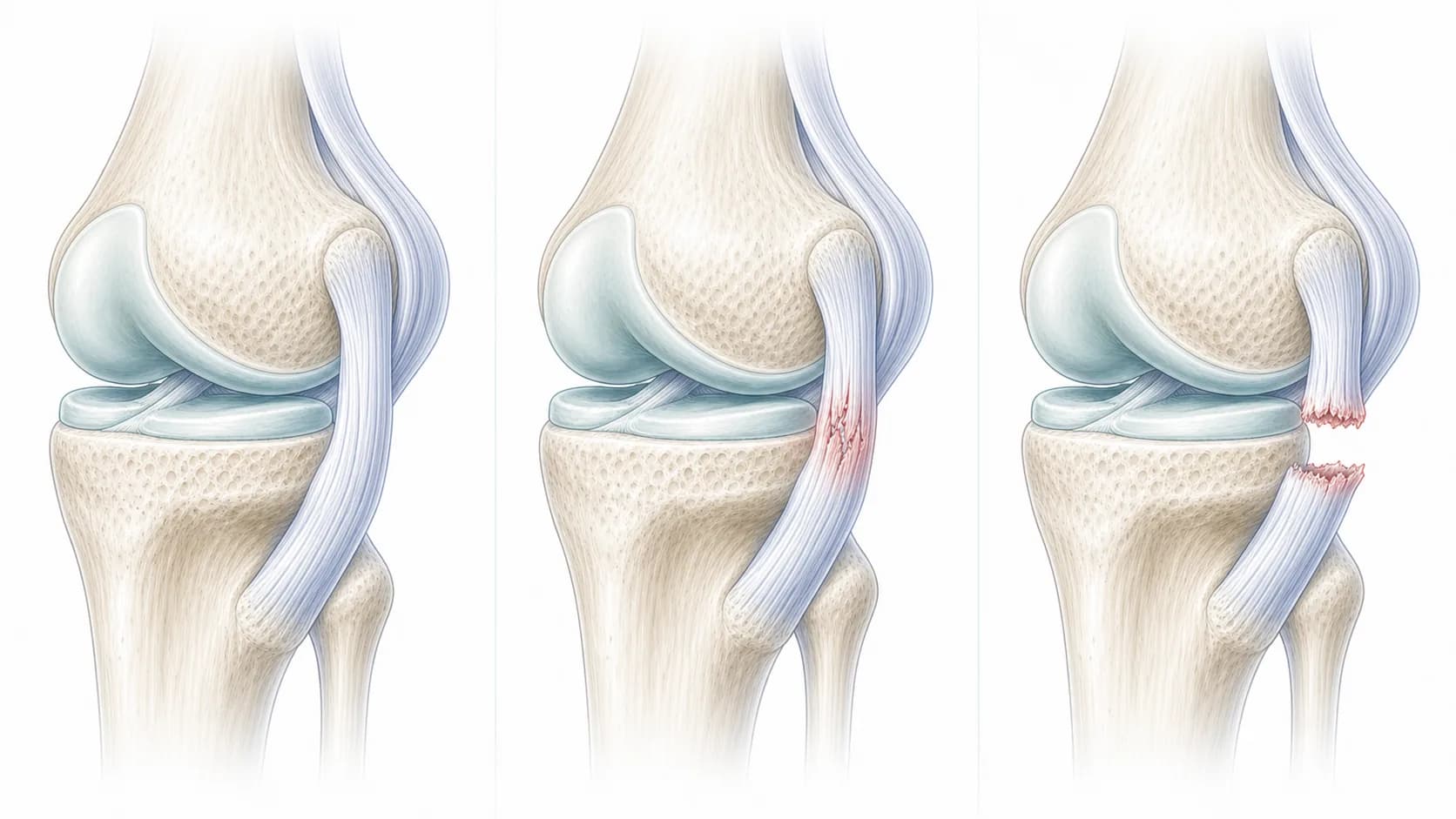
Selected ligament damage
A non-surgical ligament pathway for selected partial or healing injuries where useful continuity and joint stability remain.
Explore NanoALiThe clinical sequence
Seed, Soil and Signal are the biological centre of the framework. Accurate targeting and mechanically intelligent rehabilitation complete it.
01
Cartilage, meniscus, tendon and ligament do different jobs. The pathway starts by identifying the structure that is actually driving the problem.
02
Examination and imaging define the pattern of damage, the remaining viable tissue and the load that the structure must tolerate.
03
NanoACi uses an auricular-cartilage Seed. The meniscus, tendon and ligament pathways use an autologous fibroblast-rich Seed prepared from a small hair-follicle-bearing tissue sample.
04
An injectable type-I collagen scaffold provides a three-dimensional environment intended to support local retention and organisation.
05
Platelet-rich fibrin is prepared from the patient’s blood on the day to provide an autologous fibrin matrix and platelet-derived biological signals.
06
Image-guided placement is followed by tissue-specific protection and progressive loading. Rehabilitation is part of the treatment, not an afterthought.

Biology meets mechanics
Cartilage distributes joint load, the meniscus shares pressure, tendons transmit force and ligaments constrain joint motion. A biologically credible plan must respect those different jobs after delivery. That is why each Nano pathway has its own protection and reloading programme.
The aim is not simply to place biology near damaged tissue. It is to create the conditions in which that tissue has the best realistic opportunity to recover.
Evidence, without shortcuts
Autologous micrografts, collagen scaffolds and patient-derived blood preparations each have published literature. That does not automatically establish the effectiveness of every combined RegenRepair protocol for every condition. We show what is established, what is extrapolated and what remains under evaluation.
RegenRepair is Professor Paul Lee's Seed, Soil, Signal framework for combining a patient-derived tissue micrograft, a collagen scaffold and a patient-derived biological signal. The framework is adapted to the tissue being treated rather than used as one identical injection for every problem.
No. RegenRepair is a clinical framework. The individual components and preparation systems have their own identities and evidence; RegenRepair describes how Professor Lee selects and sequences them for cartilage, meniscus, tendon or ligament treatment.
NanoACi targets cartilage damage, NanoAMi targets suitable stable meniscus damage and NanoATi targets tendon damage, while NanoALi targets selected ligament injuries. They share the Seed, Soil, Signal architecture, but the treatment target, delivery plan, rehabilitation and suitability boundaries change.
No. Mytocel MSK is a standalone autologous micrograft treatment in its standard clinical pathway. RegenRepair may use chair-side micrografting as the Seed component, but that does not make Nano the main or only use of Mytocel MSK.
No. Evidence for an individual micrograft preparation, scaffold or blood product does not automatically prove the complete combined protocol for every tissue. We separate component evidence from evidence for the full pathway and explain that boundary during consultation.
Still have more specific concerns?
Free Discovery CallOptions that our doctors may discuss include NanoACi, ChondroFiller, Mytocel MSK, joint replacement, established conservative care or surgery, depending on examination and imaging.
A consultation and appropriate imaging establish whether cartilage, meniscus, tendon or ligament is driving the problem—and whether a Nano pathway is clinically sensible.