

RegenRepair™ · Ligament pathway
NanoALi
Autologous Ligament Injection
A non-surgical Seed, Soil, Signal pathway for selected ligament injuries where useful continuity remains—planned around stability, precise targeting and progressive mechanical rehabilitation.
 Reviewed byProfessor Paul Lee MBBch, FRCS (Tr & Orth), PhDCartilage and joint preservation expertise
Quick answer
NanoALi supports selected viable ligament. It does not replace the mechanical role of repair or reconstruction when continuity or stability has failed.
NanoALi—also written Nano ALi—means a non-arthroscopic, needle-delivered, one-stage autologous ligament injection technique.
Verified across three networks
Trusted by patients on Doctify, Google and Top Doctors
The decision starts with mechanics
Not every ligament injury belongs in the same lane
Pain alone does not distinguish a sprain from partial structural damage or a complete, unstable rupture. Examination and imaging define whether biological support is proportionate.

Seed · Soil · Signal
Biology placed where ligament fibres need support
The Seed is an autologous fibroblast-rich micrograft preparation made on the day from a small hair-follicle-bearing tissue sample. An injectable type-I collagen scaffold provides the Soil and platelet-rich fibrin provides the autologous Signal.

See the NanoALi evidence page for the published sources, study designs and precise limits of extrapolation.
A staged pathway
Define stability, deliver precisely, restore control deliberately

RegenRepair™ · Seed, Soil, Signal
Choose the tissue, then understand the pathway
The biological design is shared. The target, delivery plan and rehabilitation change with the structure being treated.
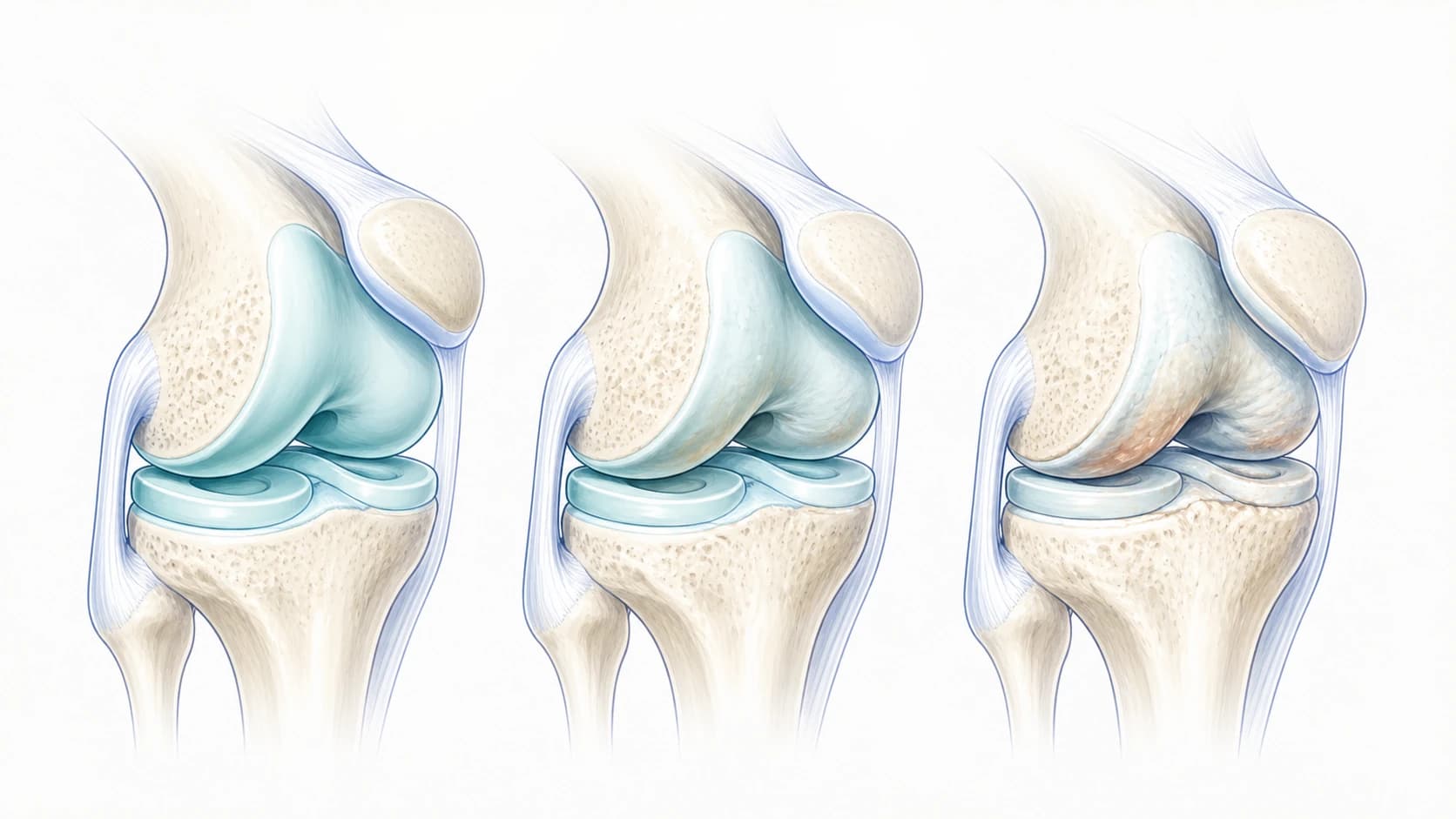
Cartilage damage
NanoACi
A one-stage, image-guided cartilage regeneration technique built around cartilage micrografts, collagen soil and a patient-derived signal.
Explore NanoACi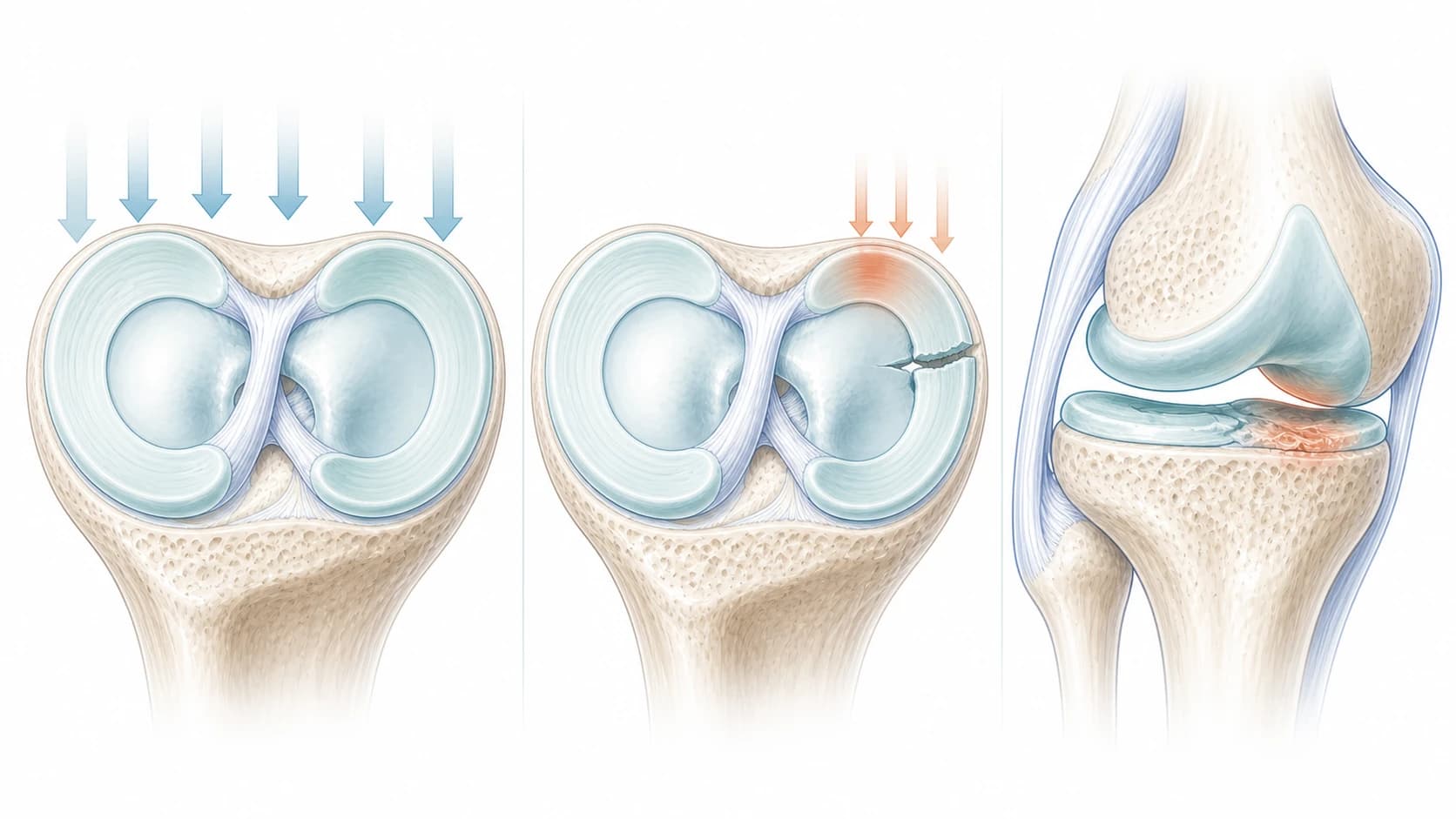
Stable meniscus damage
NanoAMi
A non-surgical pathway using autologous fibroblast-rich micrografts for suitable stable partial-thickness tears, intrasubstance damage and wear.
Explore NanoAMi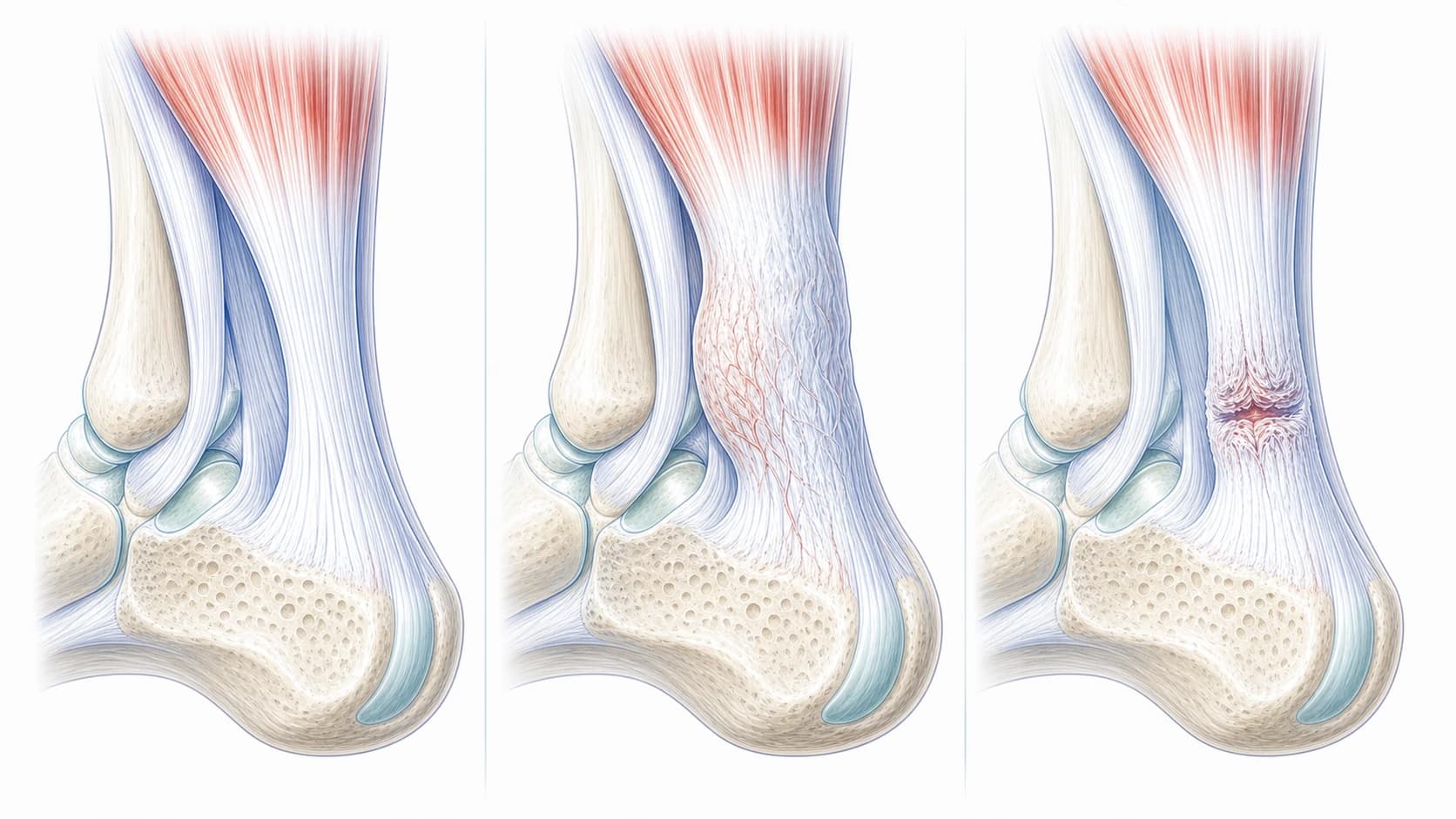
Tendon damage
NanoATi
A tendon-specific pathway using autologous fibroblast-rich micrografts, image-guided targeting and progressive mechanical rehabilitation.
Explore NanoATi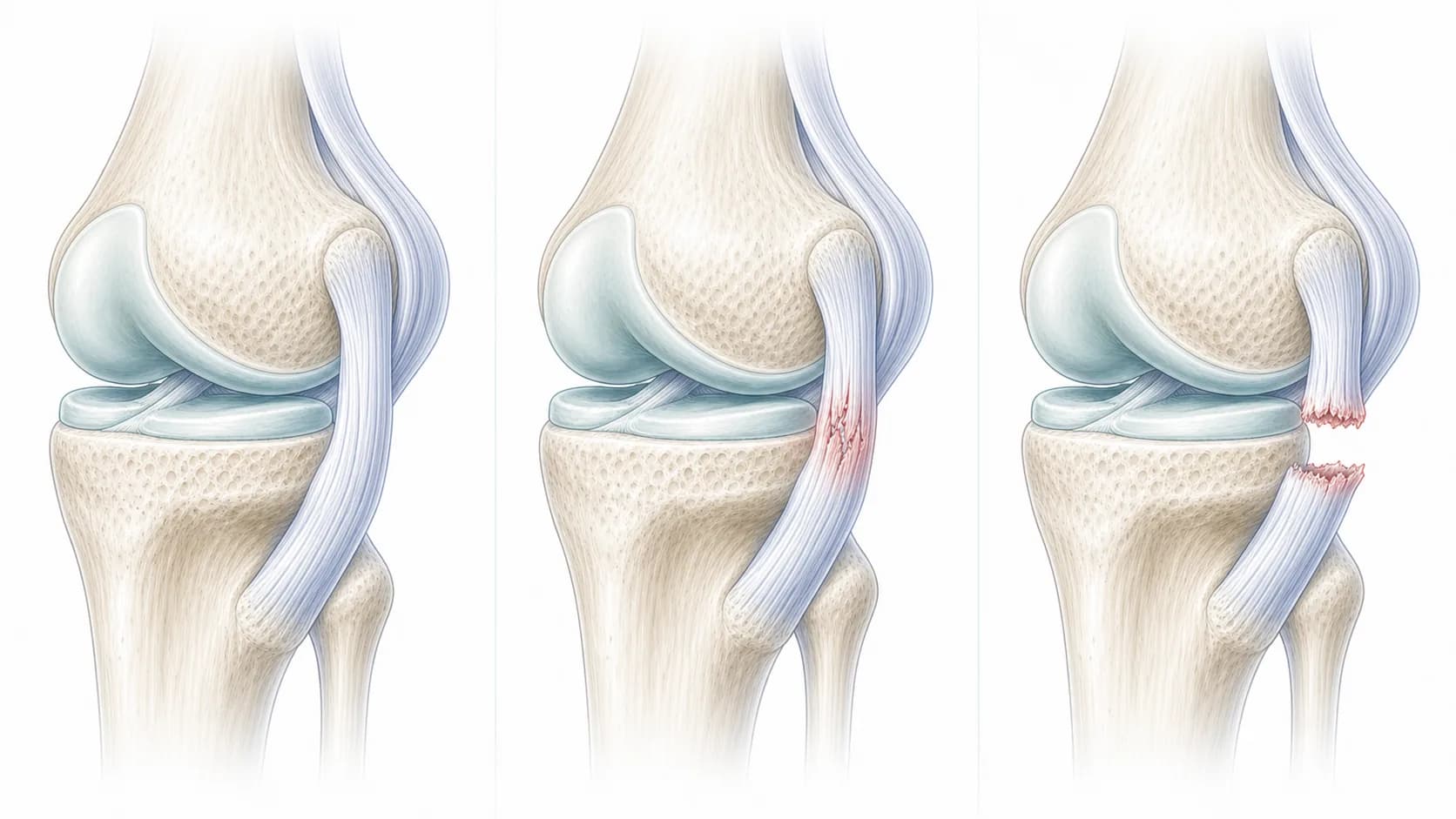
Selected ligament damage
Current pageNanoALi
A non-surgical ligament pathway for selected partial or healing injuries where useful continuity and joint stability remain.
Explore NanoALi
NanoALi questions
What does NanoALi mean?
NanoALi means a non-arthroscopic, needle-delivered, one-stage autologous ligament injection technique. Nano ALi is the spaced form used in some explanatory and search-led copy.
Which ligament injuries may be considered?
Selected partial or healing injuries may be considered where useful fibres remain and the joint is not grossly unstable. Suitability is specific to the ligament, injury grade, timing and functional demand.
Can NanoALi reconnect a complete rupture?
No. A biological injection cannot mechanically reconnect a completely ruptured ligament or correct significant instability. Those findings require an appropriate repair or reconstruction assessment.
What is the Seed?
The Seed is an autologous fibroblast-rich micrograft preparation made on the day from a small hair-follicle-bearing tissue sample. The rationale is biologically informed, but direct human NanoALi evidence is not yet available.
Does NanoALi replace rehabilitation?
No. Bracing where appropriate, strength, proprioception and progressive return to the ligament’s real task remain central to recovery.
Still have more specific concerns?
Free Discovery CallOptions that our doctors may discuss include NanoACi, ChondroFiller, Mytocel MSK, joint replacement, established conservative care or surgery, depending on examination and imaging.
Define continuity and stability before choosing treatment
Professor Lee can combine examination and imaging to distinguish a selected continuous injury from a ligament that needs structured rupture care, repair or reconstruction.