
A non-surgical pathway may fit
- Stable partial-thickness meniscus tear
- Intrasubstance degeneration without displacement
- Meniscal wear where viable tissue remains
- Pain linked to the meniscus without true mechanical locking

RegenRepair™ · Meniscus pathway
Autologous Meniscal Injection
A non-surgical Seed, Soil, Signal pathway for selected stable meniscus damage—designed for partial-thickness tears, intrasubstance change and wear where viable meniscus remains.
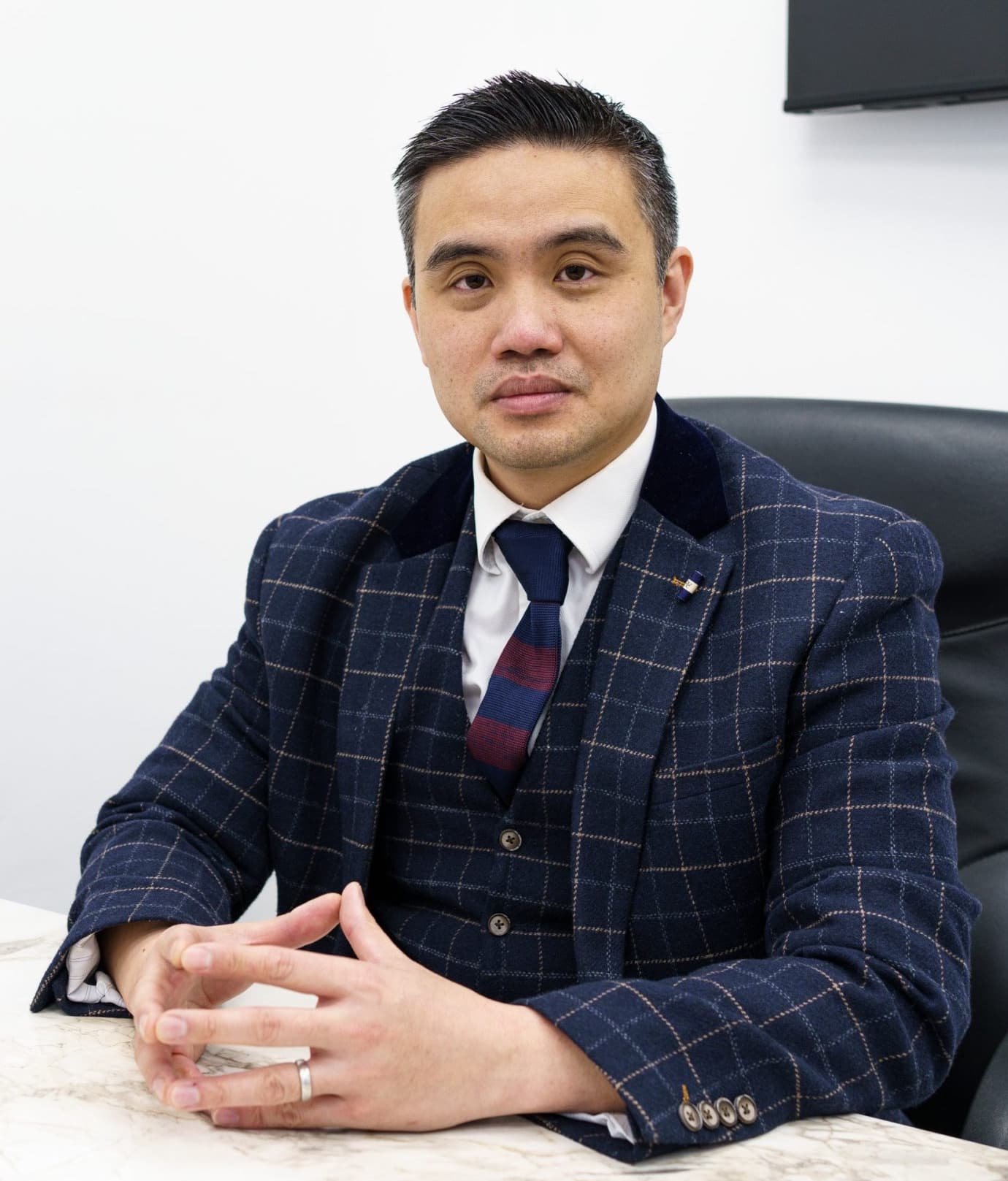 Reviewed byProfessor Paul Lee MBBch, FRCS (Tr & Orth), PhDCartilage and joint preservation expertise
Quick answer
NanoAMi is not a stitch repair. It is an image-guided biological treatment for selected meniscus damage that does not require mechanical surgery. Displaced, root or unstable tears remain separate surgical problems.
NanoAMi—also written Nano AMi—means a non-arthroscopic, needle-delivered, one-stage autologous meniscal injection technique.
Verified across three networks
Start with the damage pattern
The key decision is whether the tissue is stable and biologically treatable, or mechanically disrupted and in need of fixation.

RegenRepair for the meniscus
The Seed is an autologous fibroblast-rich micrograft preparation made on the day from a small hair-follicle-bearing tissue sample. An injectable type-I collagen scaffold provides the Soil and platelet-rich fibrin provides the autologous Signal.

Assessment, delivery, recovery

Why reloading matters
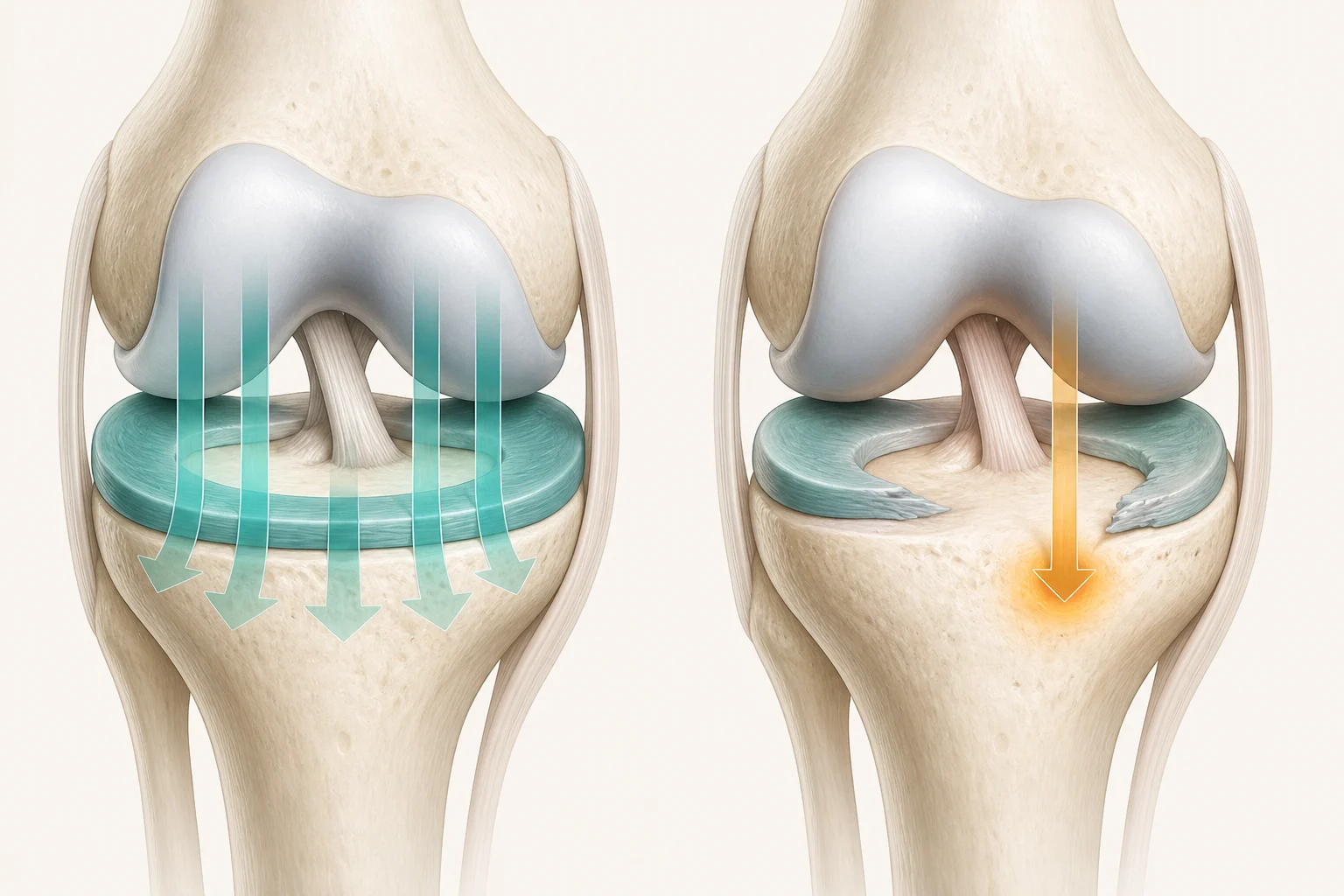
The meniscus turns a concentrated joint force into a broader, safer contact area. Deep flexion and rotation can increase meniscal demand, so progress must be earned in stages rather than guessed from pain alone.
RegenRepair™ · Seed, Soil, Signal
The biological design is shared. The target, delivery plan and rehabilitation change with the structure being treated.
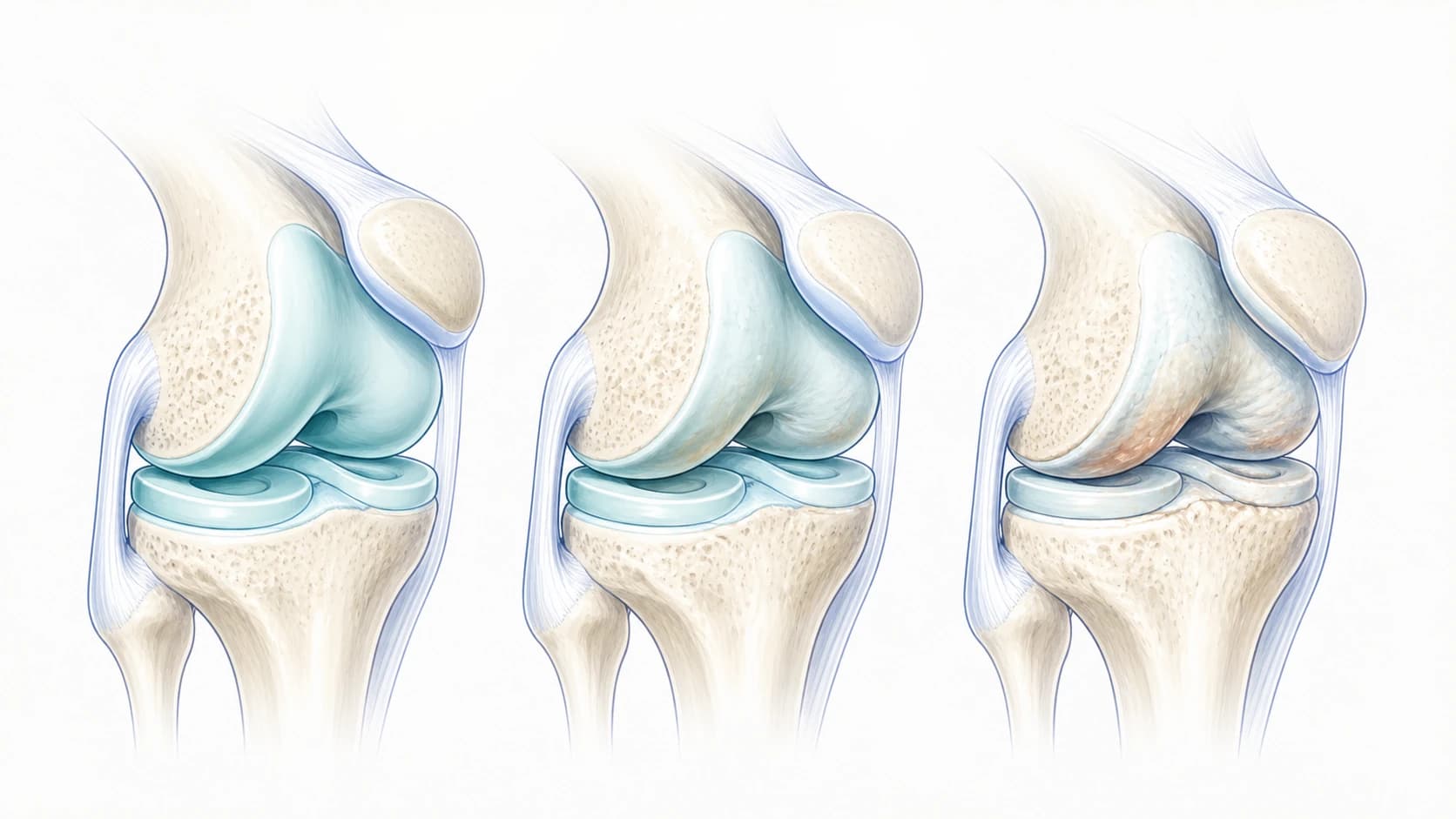
Cartilage damage
A one-stage, image-guided cartilage regeneration technique built around cartilage micrografts, collagen soil and a patient-derived signal.
Explore NanoACi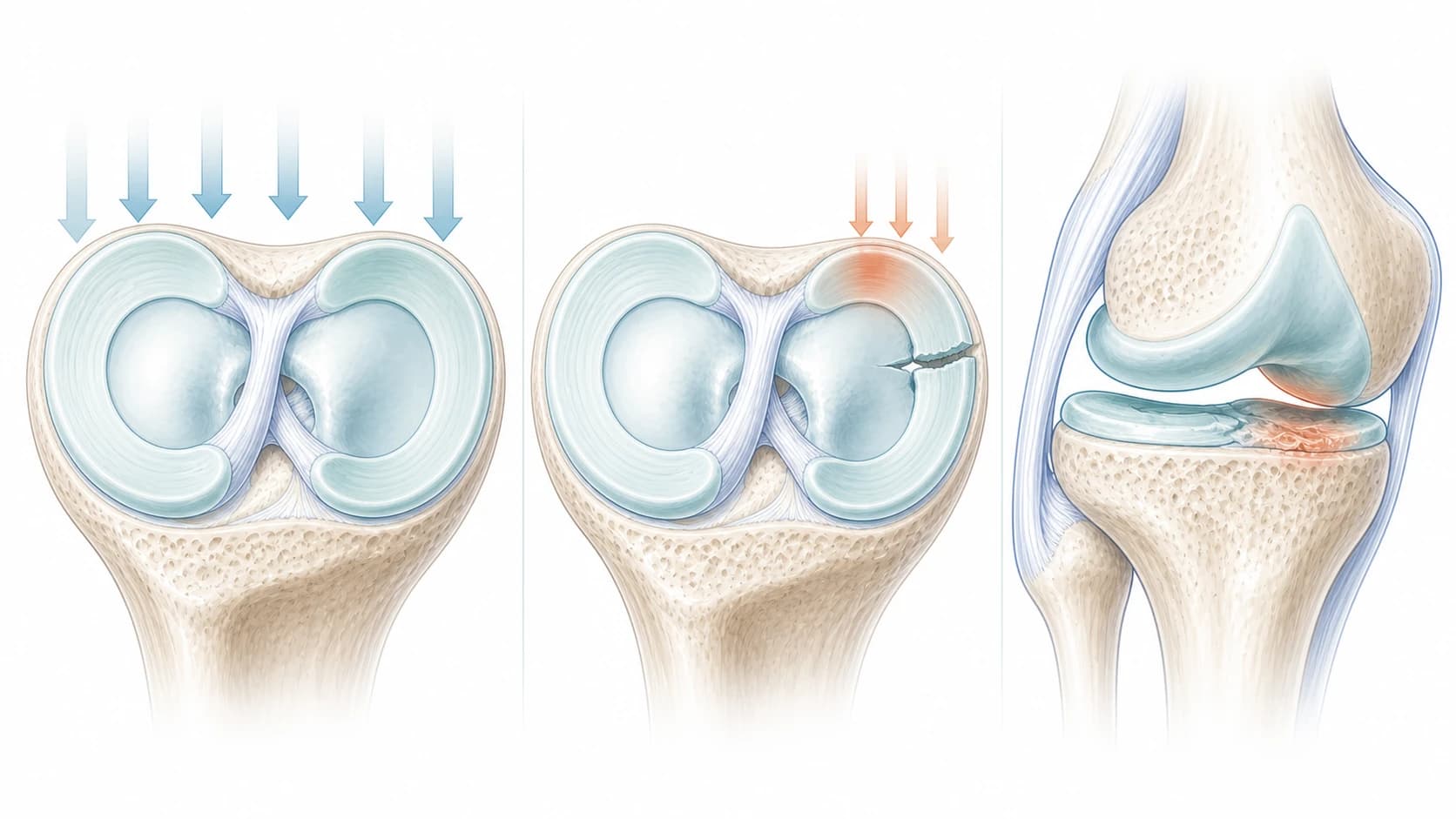
Stable meniscus damage
Current pageA non-surgical pathway using autologous fibroblast-rich micrografts for suitable stable partial-thickness tears, intrasubstance damage and wear.
Explore NanoAMi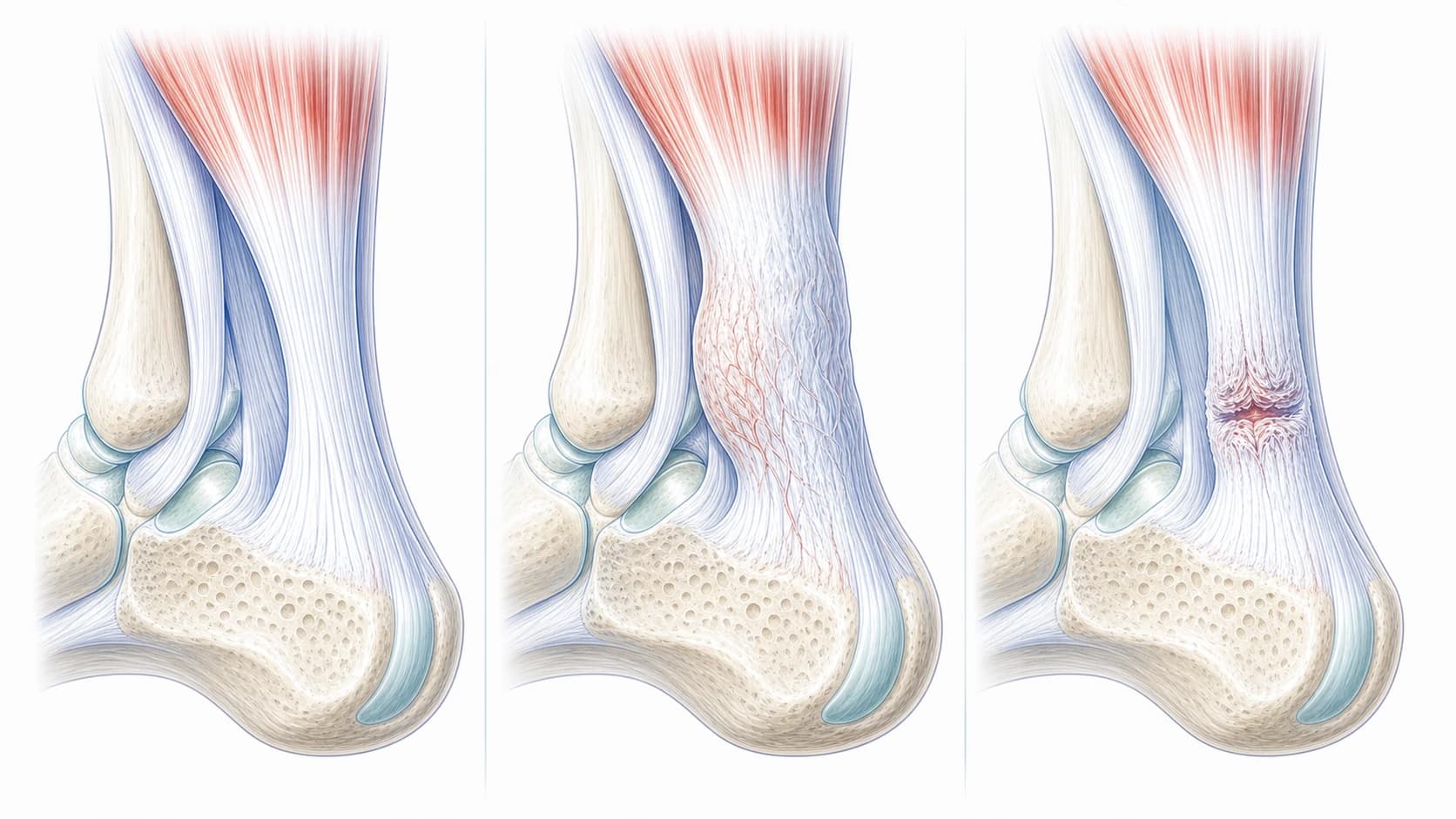
Tendon damage
A tendon-specific pathway using autologous fibroblast-rich micrografts, image-guided targeting and progressive mechanical rehabilitation.
Explore NanoATi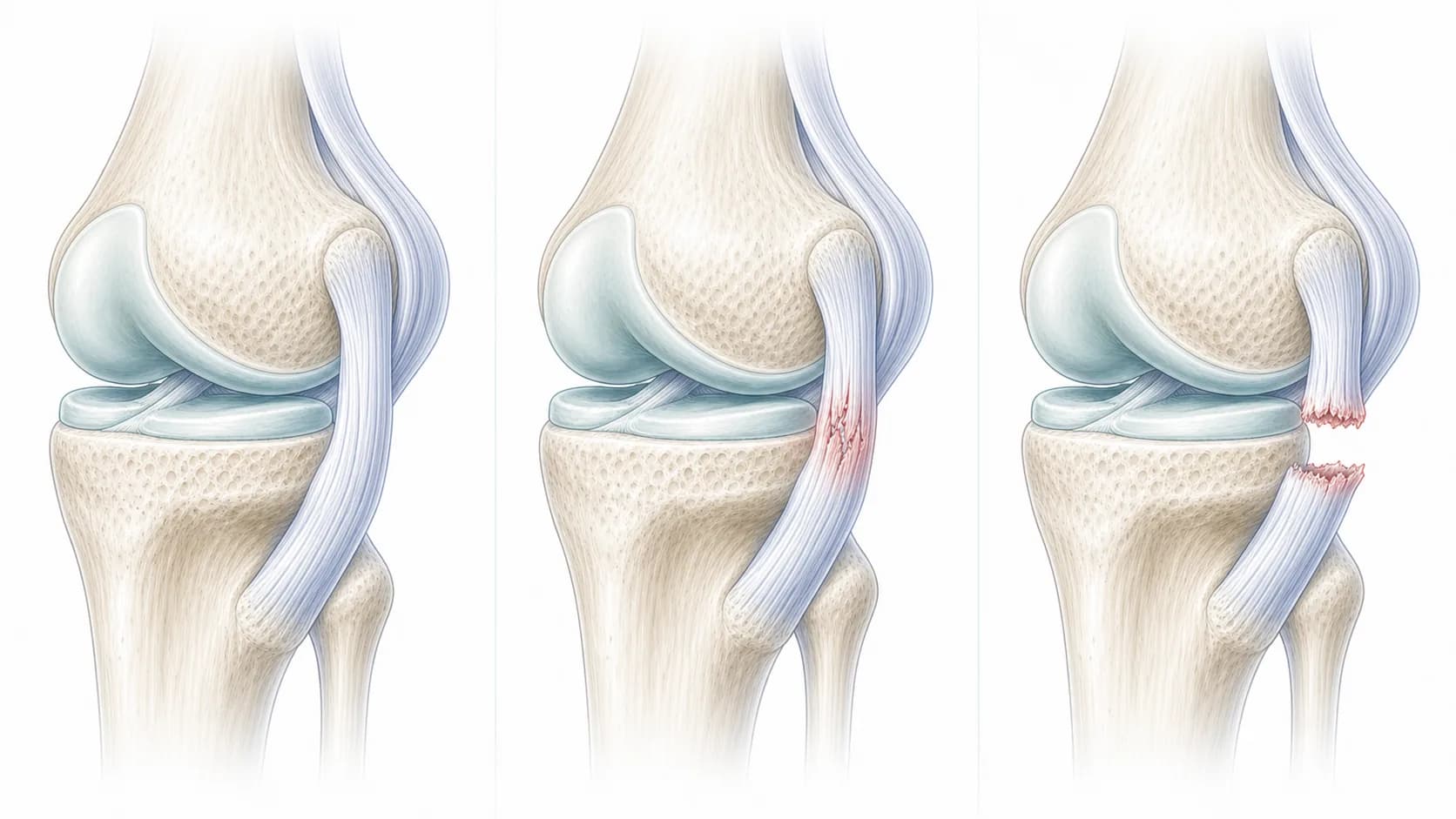
Selected ligament damage
A non-surgical ligament pathway for selected partial or healing injuries where useful continuity and joint stability remain.
Explore NanoALi
The Seed is prepared from a small hair-follicle-bearing tissue sample and processed on the day into autologous fibroblast-rich micrografts. The donor-tissue rationale draws on the fibroblast biology shared with meniscus, but is not direct proof of meniscus regeneration.
No. The standard NanoAMi pathway described here is delivered without surgery for suitable stable meniscus damage. It is not a stitch repair and it does not mechanically reattach a displaced tear.
It may be considered for selected stable partial-thickness tears, intrasubstance damage and degenerative wear where viable meniscus tissue remains and there is no mechanical problem that clearly requires surgical repair. Examination and MRI are needed to make that distinction.
A displaced tear, a root tear, an unstable fragment, persistent locking or a tear that must be mechanically reattached may require meniscus repair or another surgical pathway. NanoAMi cannot substitute for structural fixation when the mechanics are wrong.
Biological treatment may sometimes be considered as an adjunct after a separate surgical repair. That is a different clinical plan. It should not be confused with the standard non-surgical NanoAMi pathway explained on this page.
The meniscus shares load between the thigh bone and shin bone. Early protection and a progressive return to weight-bearing, strength and rotation are therefore part of the biological plan. The exact programme depends on the damage pattern and symptoms.
Still have more specific concerns?
Free Discovery CallOptions that our doctors may discuss include NanoACi, ChondroFiller, Mytocel MSK, joint replacement, established conservative care or surgery, depending on examination and imaging.
The deciding question is not simply whether the MRI says tear. Professor Lee reviews the tear pattern, stability, symptoms and joint mechanics before discussing non-surgical or surgical options.