

NanoAMi · Treatment comparison
NanoAMi vs PRP for meniscus damage
PRP supplies a blood-derived signal. NanoAMi is a broader Seed, Soil, Signal pathway. Neither replaces surgery when the meniscus is mechanically unstable.
 Reviewed byProfessor Paul Lee MBBch, FRCS (Tr & Orth), PhDCartilage and joint preservation expertise
Quick answer
PRP is a standalone biological signal injection. NanoAMi combines several components in a meniscus-specific protocol. The larger protocol is not automatically better, and both depend on excluding a tear that needs mechanical repair.
Verified across three networks
Trusted by patients on Doctify, Google and Top Doctors
Signal versus pathway
PRP is a blood-derived preparation; NanoAMi is a combined protocol
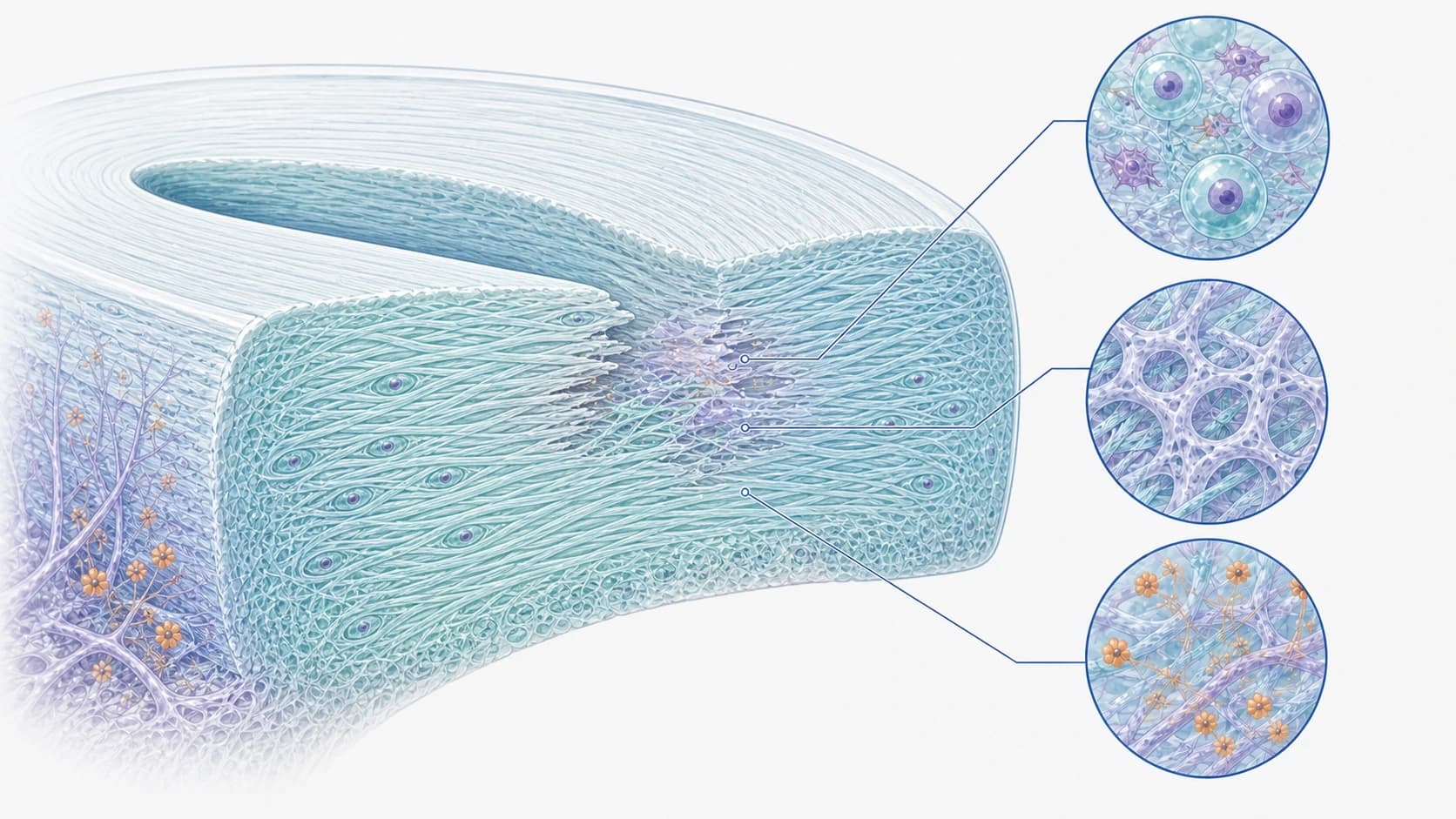
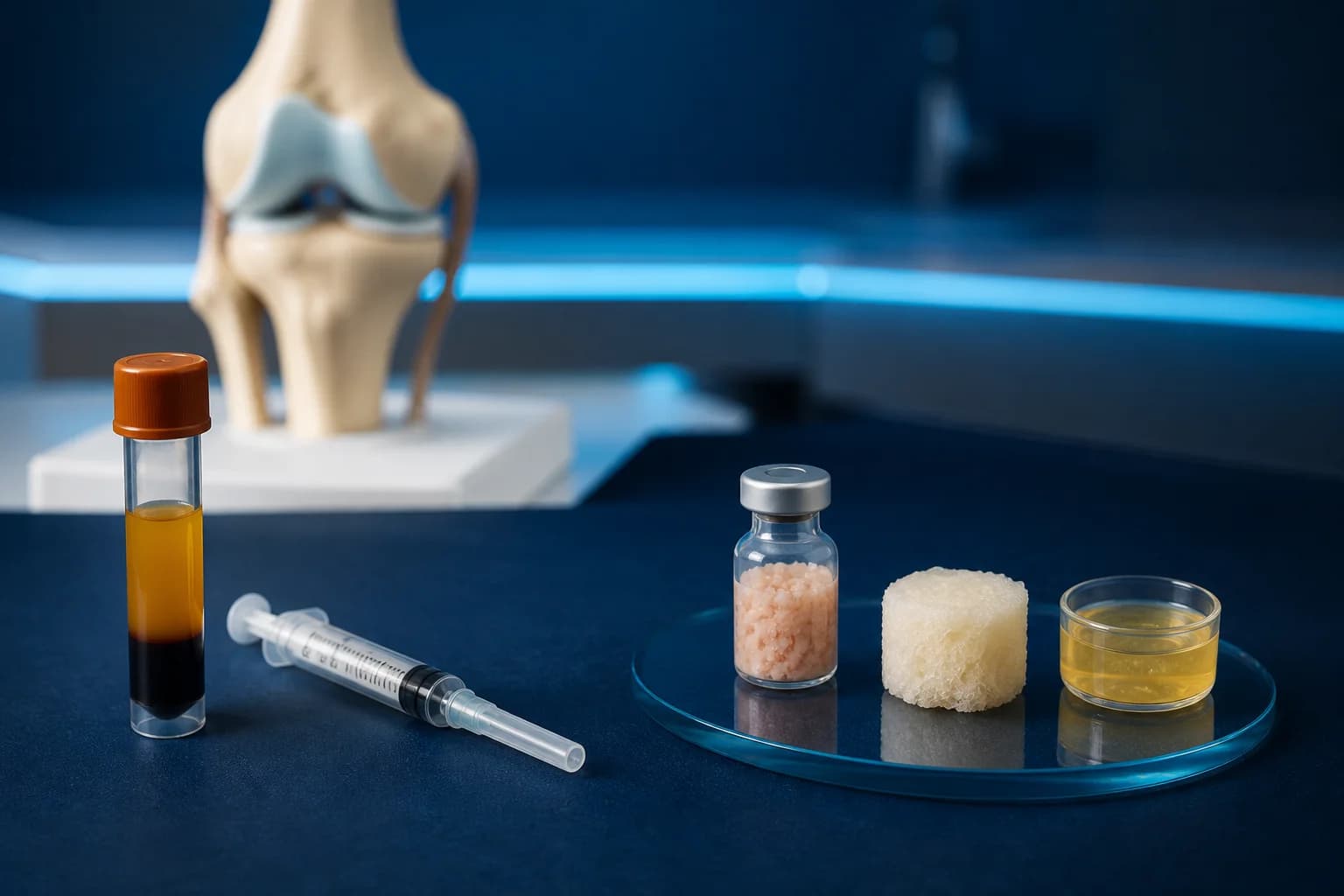
PRP concentrates platelets from the patient's blood and is used as a biological signal. NanoAMi uses the broader Seed, Soil, Signal architecture, planned around viable meniscus tissue and delivered as a tissue-specific pathway.
More components do not automatically mean a better result. The question is whether the added biological and structural elements have a credible role for the diagnosed damage.
Selection still comes first
Neither injection fixes mechanical instability
PRP and NanoAMi are both non-surgical. Neither can reattach a root tear, reduce a displaced fragment or stabilise a tear that needs sutures. MRI pattern and examination must therefore come before choosing between injections.
A simpler injection may be reasonable when the goal is symptom modulation and the added elements of NanoAMi are not justified. A combined pathway may be discussed when viable tissue and the clinical target make that rationale relevant.
Evidence
Do not transfer evidence from one injection to another
Evidence for PRP in knee symptoms or meniscus-related conditions belongs to the preparation and population studied. It does not prove NanoAMi. Conversely, the biological rationale of a combined protocol does not show that it will outperform PRP for an individual patient.
Cost, complexity, previous treatment, rehabilitation and uncertainty should all be discussed before selecting a pathway.
Side-by-side
What changes when the protocol changes?

NanoAMi and PRP questions
Is NanoAMi simply PRP with a different name?
No. PRP is a blood-derived platelet preparation. NanoAMi is a combined Seed, Soil, Signal pathway in which a blood-derived signal is only one part.
Is NanoAMi always better because it has more components?
No. Added complexity needs a clinical reason and does not guarantee a better outcome. A simpler option can be appropriate for some patients.
Can either treatment repair a displaced meniscus tear?
No. Neither injection mechanically reduces or fixes displaced tissue. A repairable unstable tear needs a surgical assessment.
How is the choice made?
The choice considers MRI pattern, symptoms, tissue viability, previous rehabilitation or injection, goals, evidence uncertainty and cost.
Still have more specific concerns?
Free Discovery CallOptions that our doctors may discuss include NanoACi, ChondroFiller, Mytocel MSK, joint replacement, established conservative care or surgery, depending on examination and imaging.
Choose the simplest credible pathway
Professor Lee can explain whether rehabilitation, PRP, NanoAMi or surgical review fits the actual meniscus pattern.